Details of the Initiative
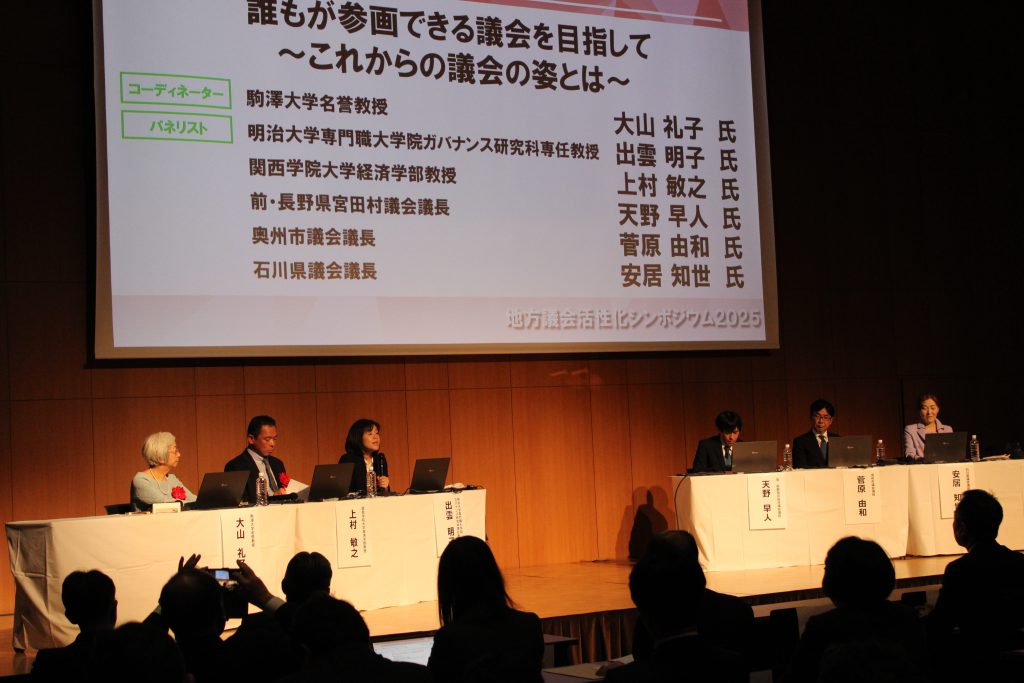
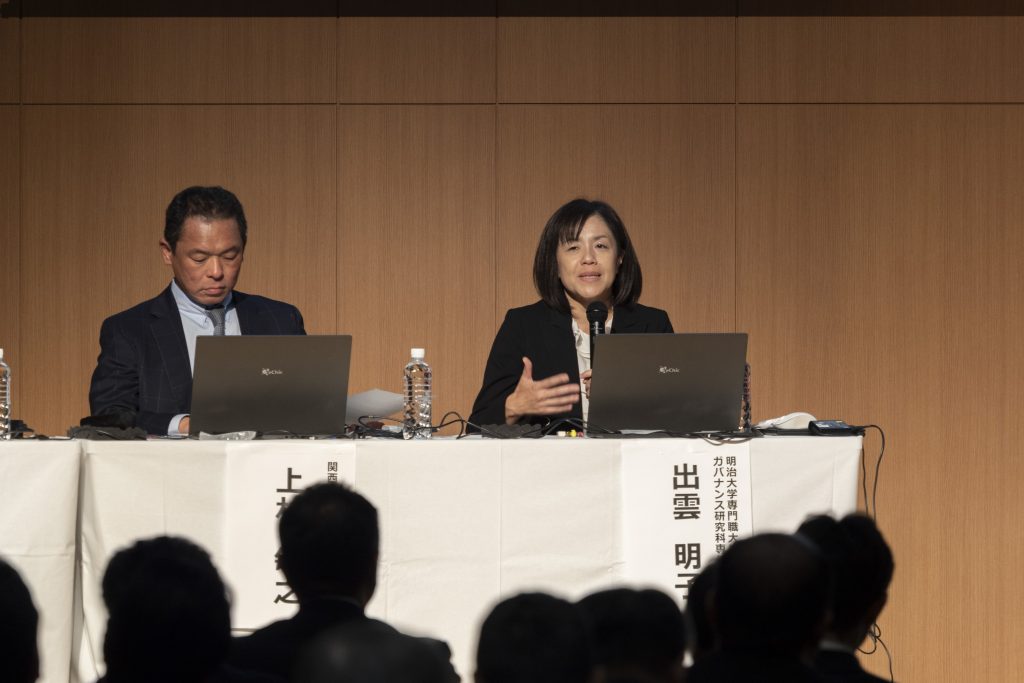
Women make up a large share of the public workforce. As occupations such as school teacher, public health nurse, childcare worker, nurse, and social welfare professional, employ large numbers of females, many, especially in local governments, are involved in childcare, health, and social welfare policy. However, those in managerial positions (section manager level and above) who are responsible for leading their workplaces remain few, and the number of staff members willing to step into positions such as assistant manager, which serve as a pathway to management, is not growing. My research focuses on the civil service system and explores why the number of female managers is not increasing. First, many women place a higher value on hands-on experience in the workplace. Although they find consulting and other interpersonal services rewarding, they may feel pressured or intimidated by managerial responsibilities, such as directing operations and supervising subordinates. While commitment to frontline work is admirable, participating in policy decision-making as a manager can also be rewarding. Women may feel intimidated because, as a result of maternity and child-rearing leave, many have fewer years and a narrower range of work experience than their male counterparts, and confidence typically develops through accumulated experience. In addition, managers are required to negotiate with the council and other departments, which further increases their burdens, particularly when the time available to them is limited. Sharing their experience as civil servants with the next generation and mentoring subordinates can help broaden the scope of activities in which women can engage, and various measures have now been introduced to ease constraints and reduce pressure. We will monitor whether these measures lead to an increase in the number of female managers. In politics, there have traditionally been few female lawmakers, and some local councils have no female members at all. Council members are representatives of residents. As residents have diverse characteristics, such as age, region, and stakeholder status, it is desirable, insofar as possible, that councils reflect this diversity. Financial resources and supporters (support groups) are essential for becoming a lawmaker, regardless of gender. Women, however, often face constraints because it is usually harder for them to secure such support and gain their family’s understanding. I participated as a commentator in the 2025 Symposium on Revitalization of Local Councils (held on November 13), where I emphasized the importance of cultivating potential female lawmakers. This includes encouraging women engaged in community activities to take an interest in the work of local councils and communicating to residents how legislators discuss policies. Councilors and civil servants both contribute to community development through policy. I hope that greater female participation will change the residents’ awareness so that they feel that things have begun to change, and that it will promote more diverse community involvement.