Machizukuri and lifelong learning in Naramachi: Sustaining local culture for the future
ResearchSocial Contribution
Details of the Initiative
Machizukuri, or community development, covers a wide range of activities, but they share a common aim: enabling residents to improve their own lives while respecting each individual’s ideas and wishes.
Urban development during the period of rapid economic growth made daily life more convenient, but it also brought serious challenges, including pollution, transport-related problems, and the weakening of community ties. Machizukuri initiatives have been highlighted as measures that enable residents to tackle these challenges on their own, and many organizations, including neighborhood associations, volunteer groups, and NPOs, have become involved.
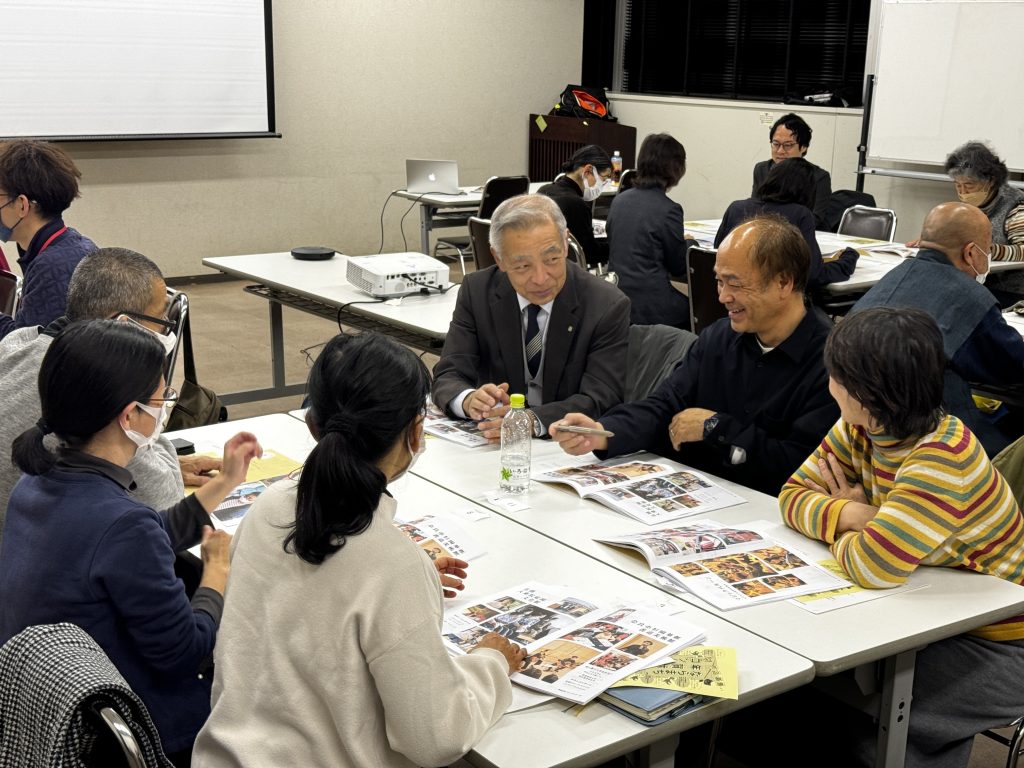
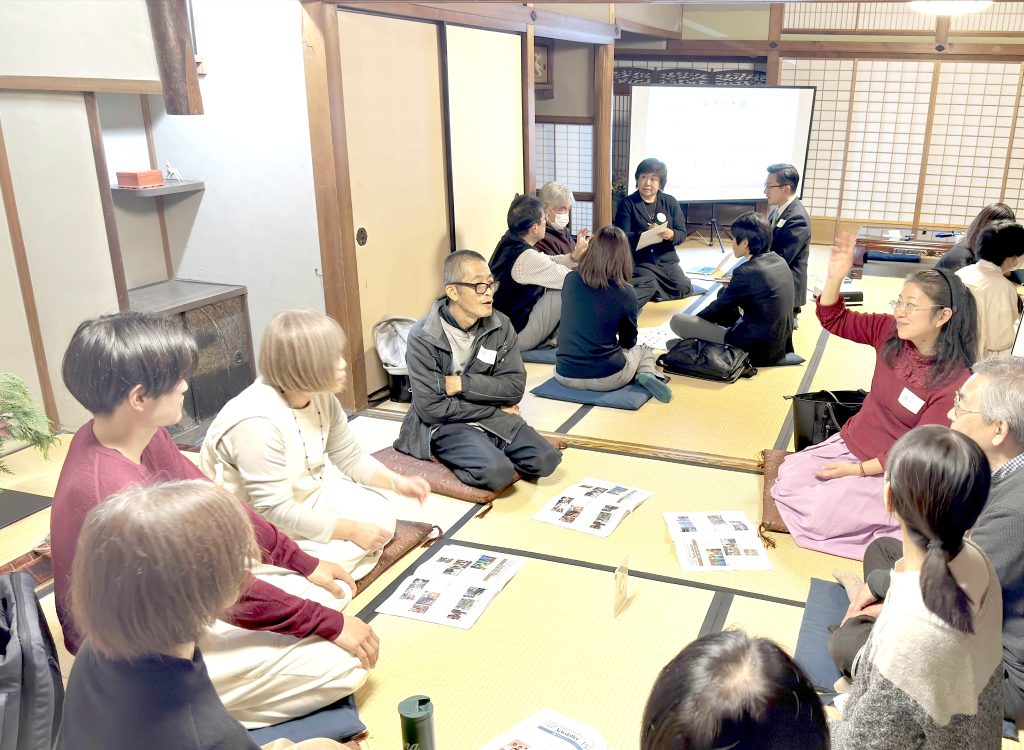
At the same time, these activities contribute to residents’ personal growth and help cultivate publicness in communities. Mutual learning is vital as residents from diverse backgrounds deepen their understanding of the community, share challenges, and work together to find solutions. The accumulation of such experiences helps build the foundations of everyday life and public-mindedness in local communities.
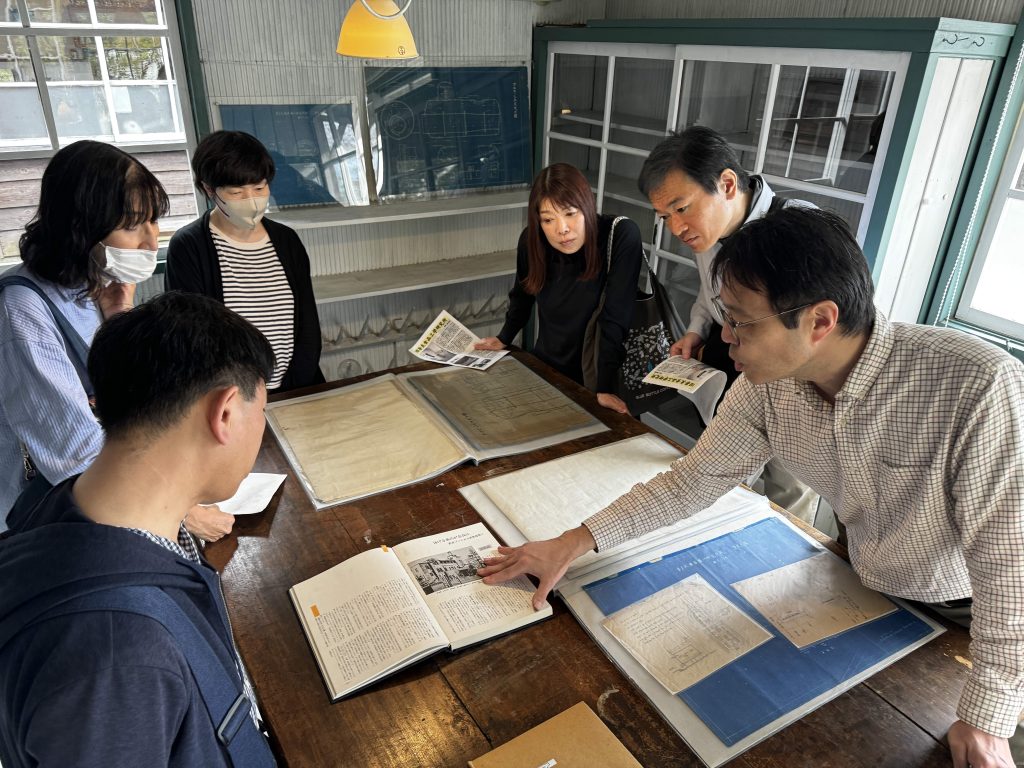
Such developments can be seen in the efforts of residents in Naramachi to preserve and utilize the historic townscape and its value. Through my involvement in these activities, I conduct research from the perspective of social education and lifelong learning, supporting the documentation and reflection of these practices.
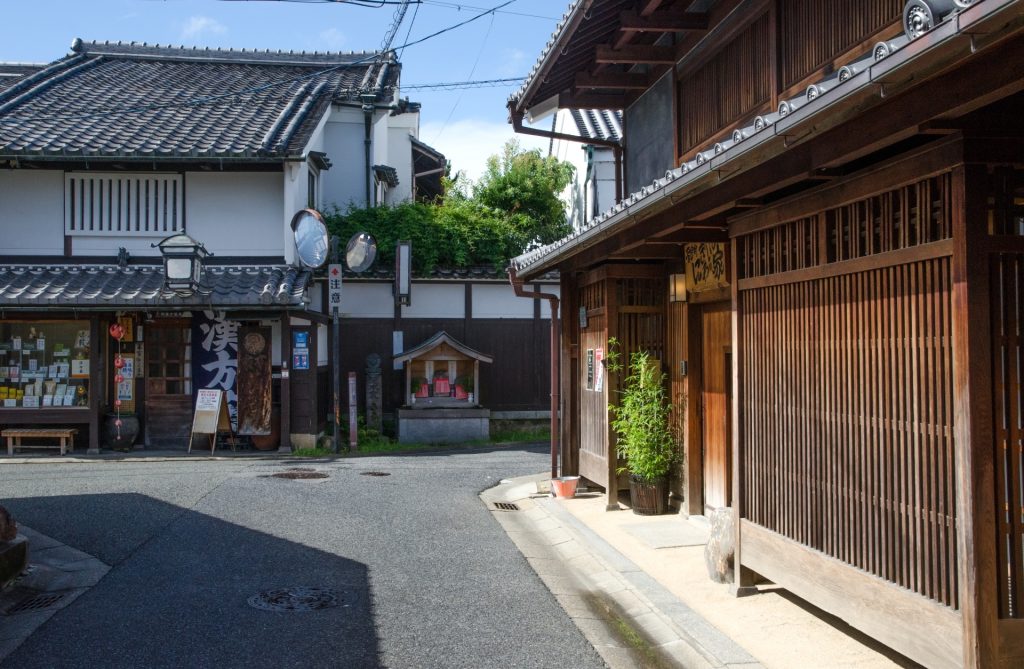
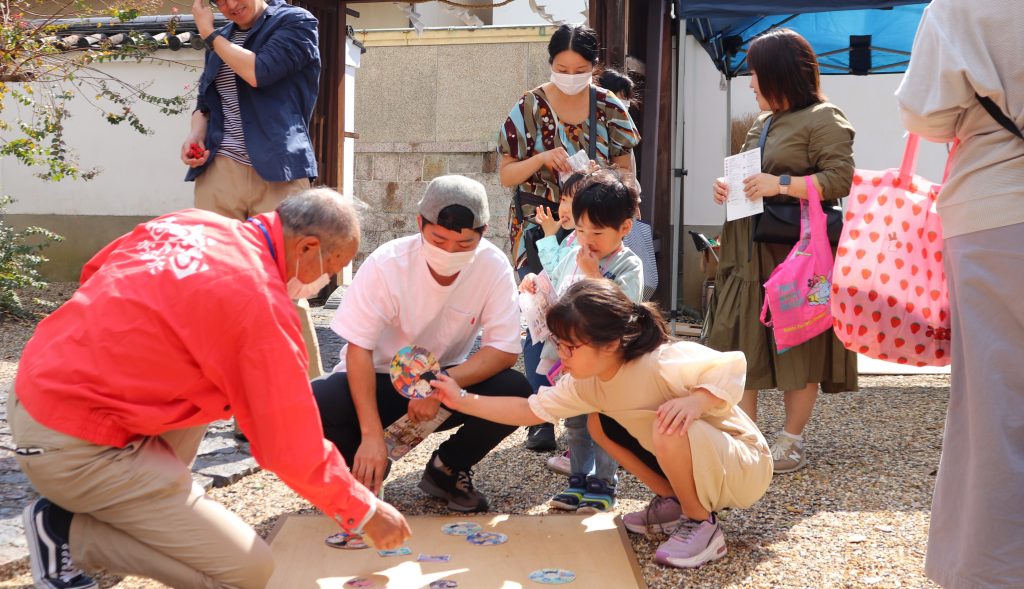
Naramachi, situated in what was the outer area of the ancient capital of Heijokyo, is a collective term for the historic districts that overlap with Nara’s old city center. While Nara is home to famous temples and shrines, including Todaiji, Kasugataisha and Gangoji, the historic townscape with rows of machiya (traditional wooden townhouses) still survives today. Efforts to preserve and utilize this townscape have continued since the machizukuri movement of the 1970s.Held every autumn, the Naramachi Warabe Uta Festa is an event for the whole community, where people of all ages enjoy nostalgic games and hands-on activities. These games and interactions offer participants a meaningful opportunity to experience local culture and history while strengthening bonds within the community.The Naramachi Warabe Uta Festa has continued for over thirty years, and more than thirty organizations and facilities take part in the event’s organizing committee. To preserve and nurture the town’s history and culture, committee members learn from each other as they plan, run, and review the event, working through trial and error.Also held in autumn, Naramachi Mishiru is a week-long event that invites participants to newly discover Naramachi’s cultural properties, historic sites, machiya, and modern architecture. Each of the areas that make up Naramchi – Kitamachi, Naramachi, Takabatake, and Kyobate/Kidera – hosts its own program.A wide range of groups and individuals, including machizukuri organizations, local residents, businesses, and government bodies, are also involved in running Naramachi Mishiru. They also learn from one another and rediscover Naramachi’s appeal and potential, while working to share its historical and cultural values more widely.