Details of the Initiative
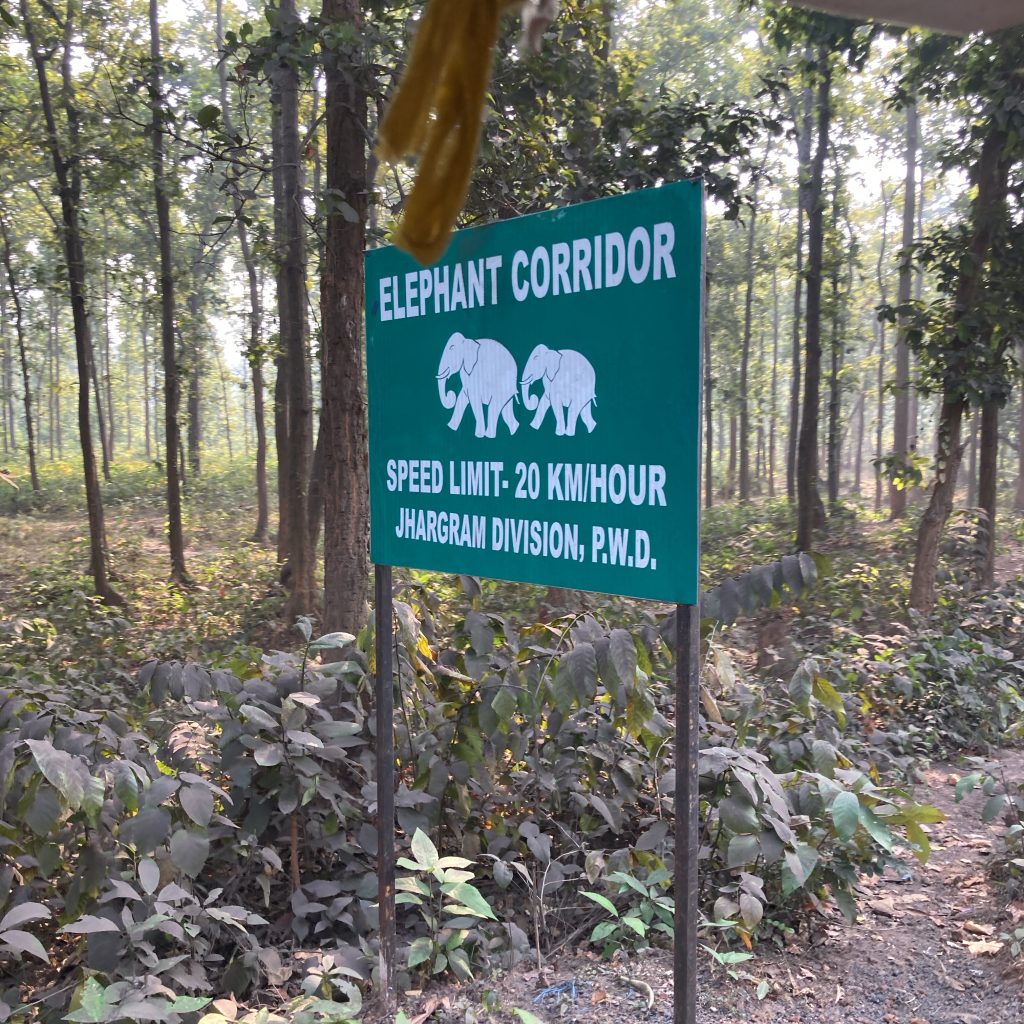
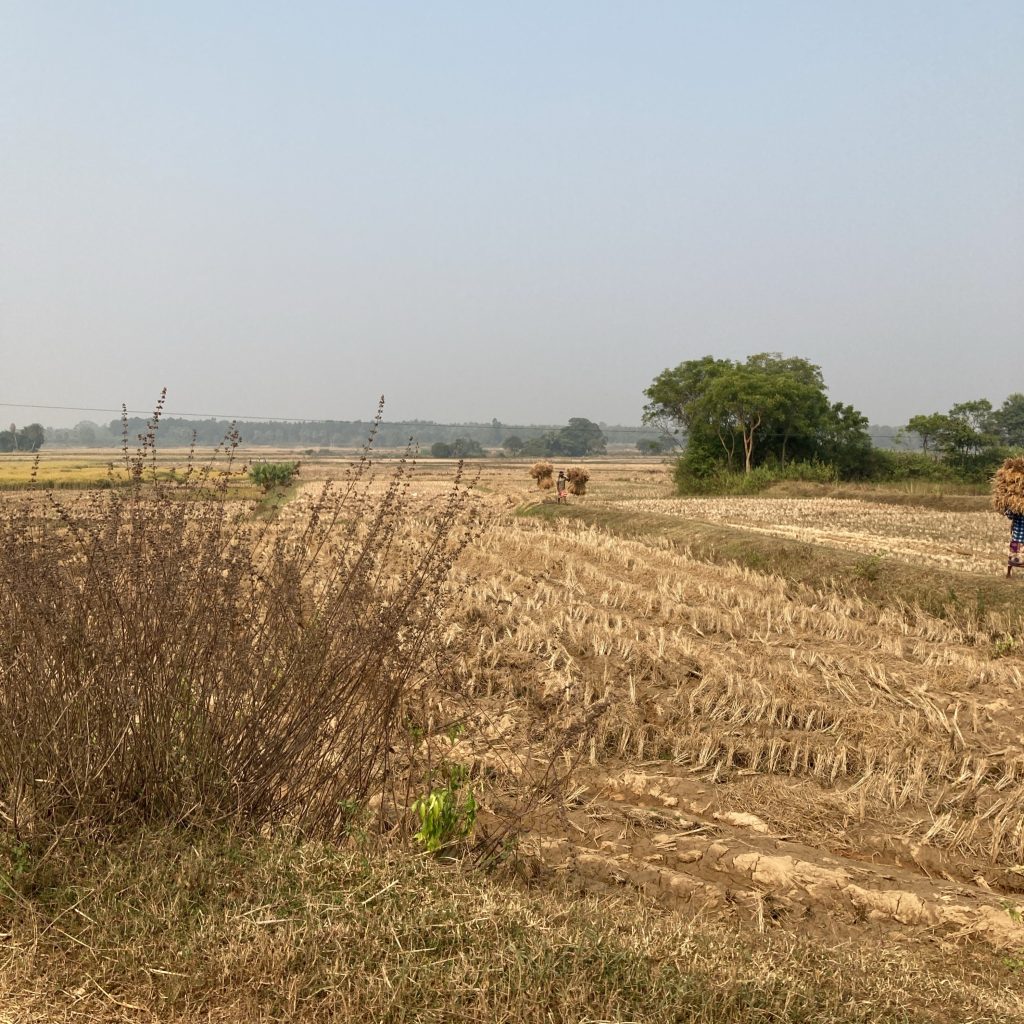
Aguiboni village, located in the Jhargram district of West Bengal, India, is surrounded by dense forests. Here, tribal people live in a rich natural environment while preserving their traditions and culture.
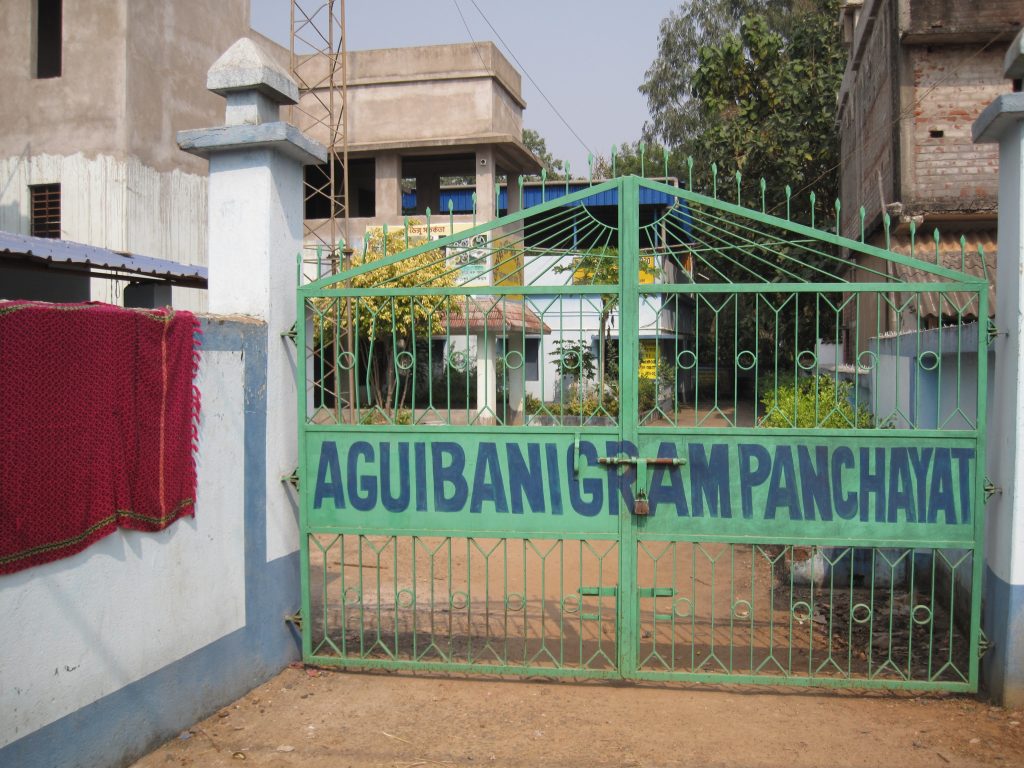
The distinctive character of each community is upheld by a local government system known as the Panchayat. Within this system, Gram Panchayat, local self-governing bodies established in tribal communities in India, take the lead in decision-making on village development. Discussion at village councils is considered a particularly important component of this decision-making process. The Indian Constitution guarantees villagers the right to participate in council meetings in person. As residents are directly involved in deciding schemes and budget allocations, development that aligns with their wishes is given priority.
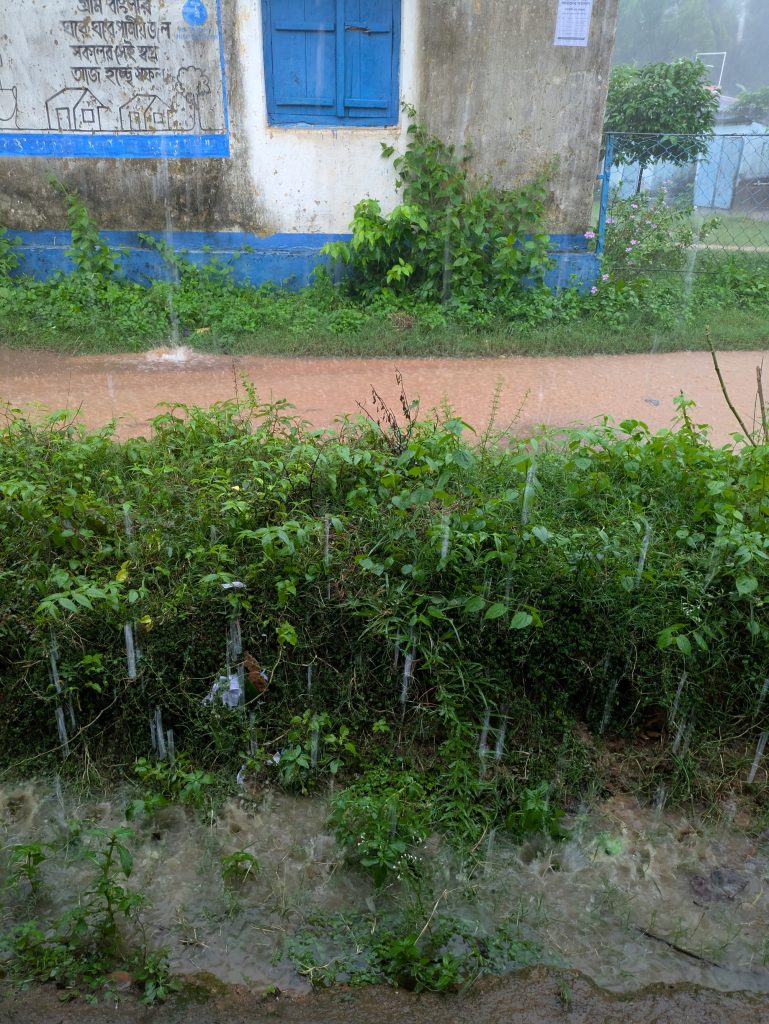
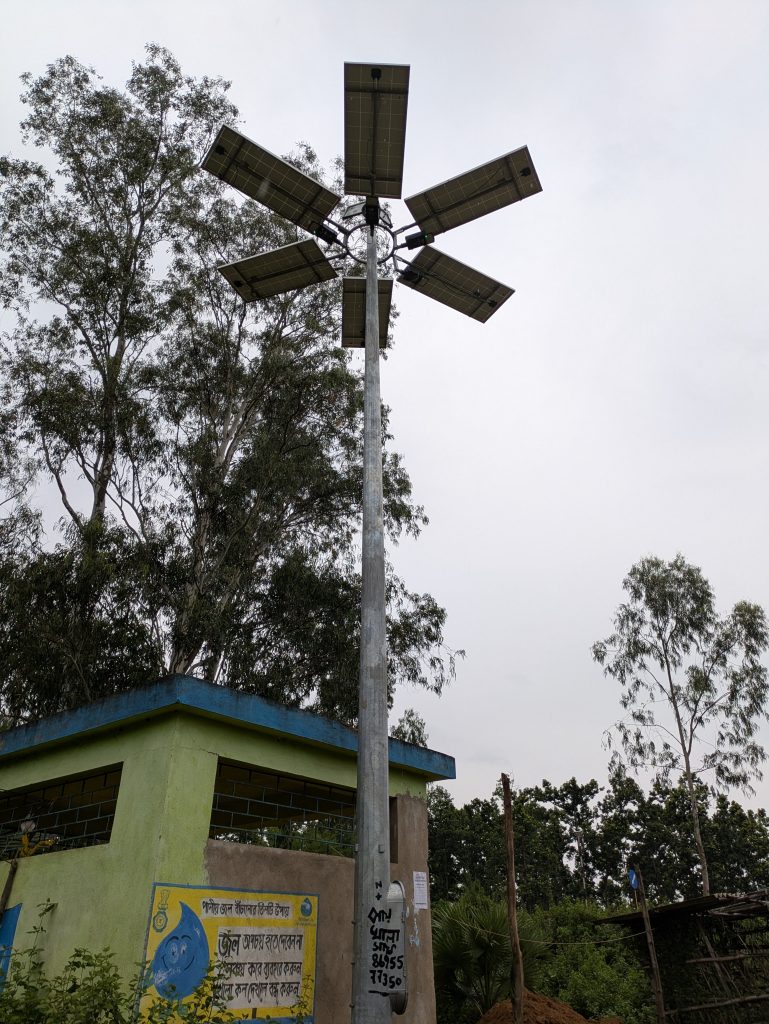
However, the central and state governments do not always allocate adequate funding for development. Interviews with villagers clearly indicate that there are many challenges in development directly connected to daily life, such as roads and drainage construction, the installation of solar-powered streetlights, and insufficient public transportation and kindergarten facilities. Within a limited budget, residents prioritize essential schemes and address daily challenges through various resourceful approaches and mutual support.