Details of the Initiative
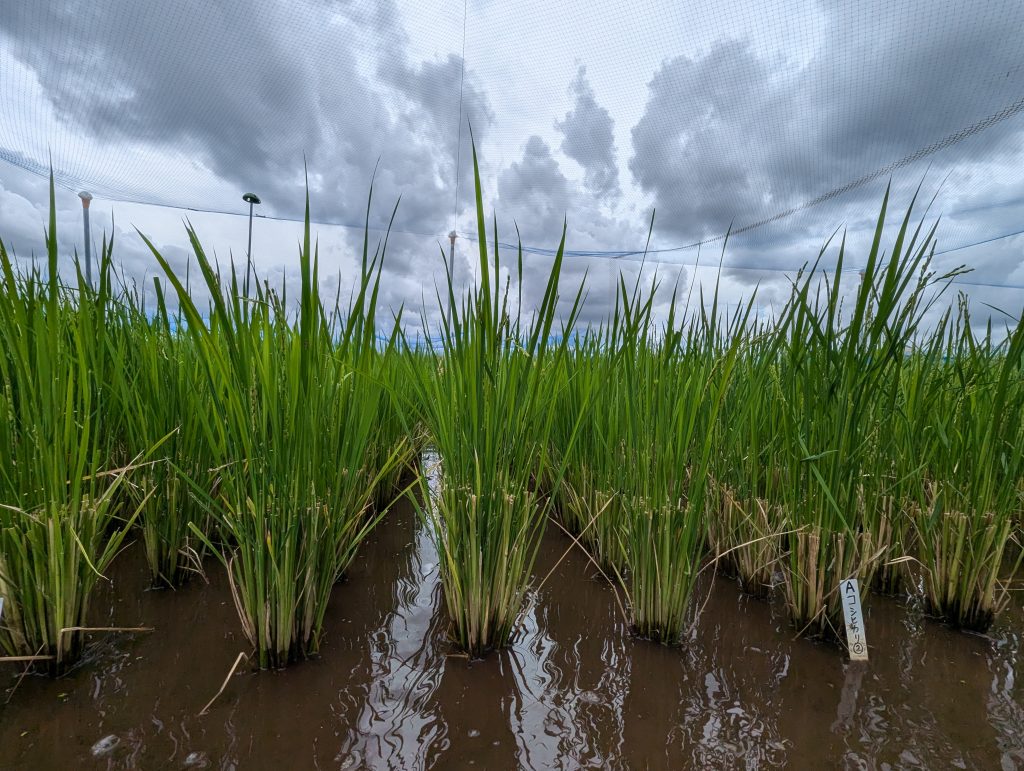
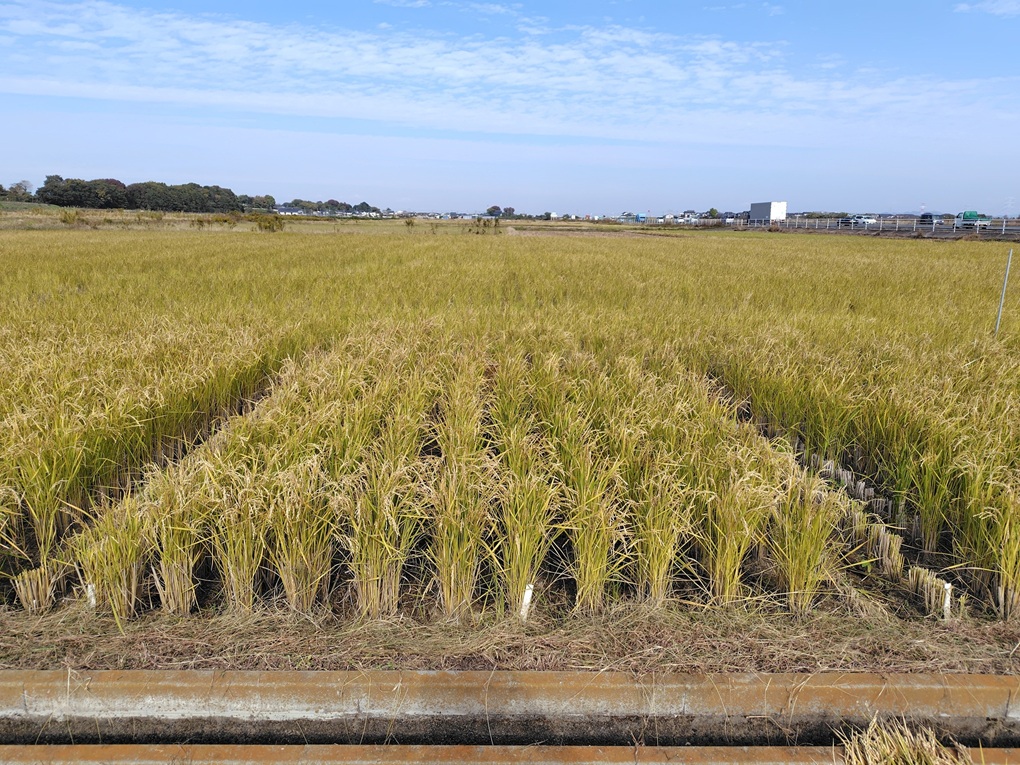
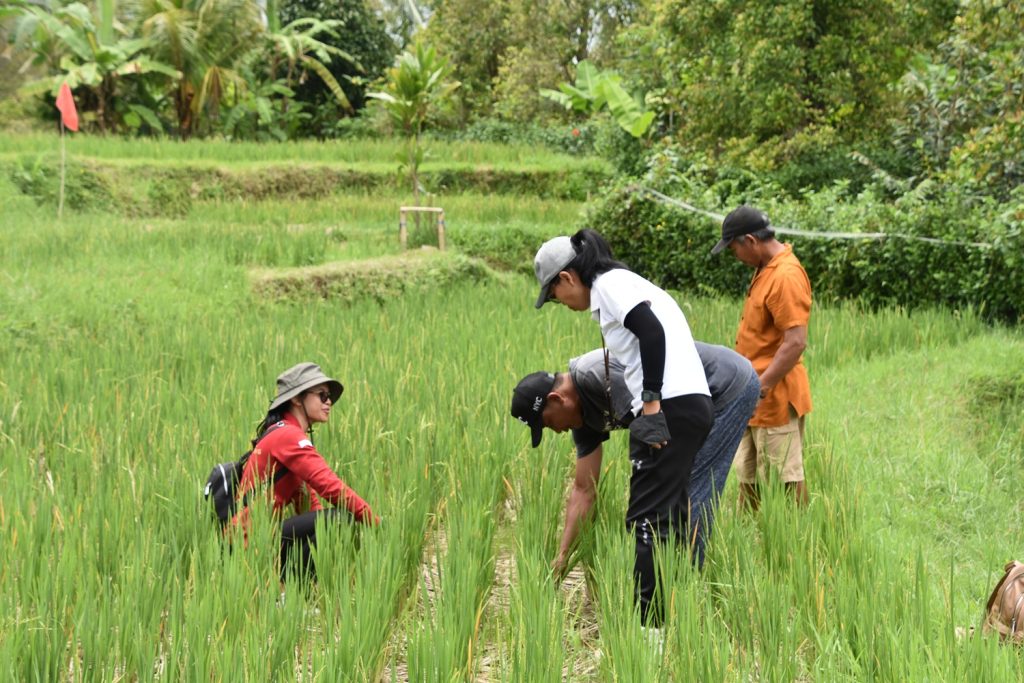
The Reiwa rice crisis has led to serious problems, such as soaring prices and supply instability. This stems from climate change, such as extreme heat, as well as reduced productivity resulting from long-standing acreage reduction policies and a declining farming population. To tackle this challenge, our laboratory has been working to improve rice productivity by utilizing the perennial nature of cultivated rice through ratoon rice cropping, which enables a second harvest from rice plants that have already been harvested once, taking advantage of the perennial nature of rice. In ratoon cultivation, the key is to promote vigorous growth of stems that regenerate from the stubble left in paddy fields after harvest. To this end, we have been striving to identify optimal varieties, elucidate the growth mechanism of regenerated stems, and develop practical cultivation techniques that farmers can implement in university experimental fields and in the paddy fields of cooperating farmers. We have also been contributing to technology development, in collaboration with local universities, to further enhance productivity in Indonesia, where ratoon cultivation has already been adopted to help meet the country’s high rice consumption. Our research will help ensure a stable rice supply and lower production costs in Japan, and will also help address food problems through rice overseas.