Details of the Initiative
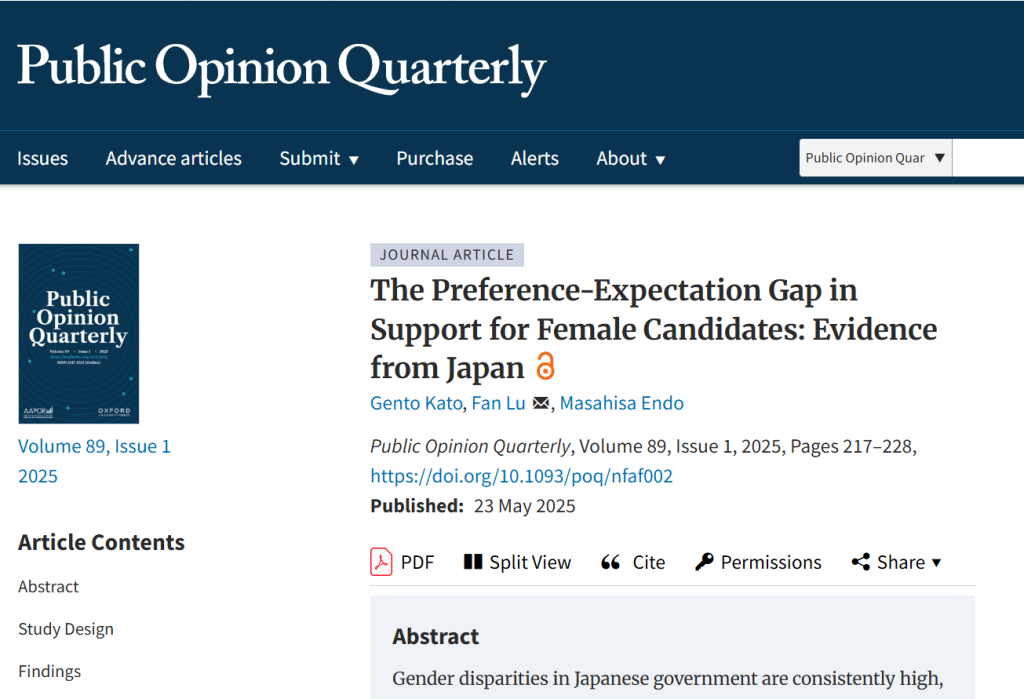
I study political attitudes and political behavior. One of my research themes is the relationship between the underrepresentation of female legislators and voters’ attitudes toward gender equality in Japan. Japan is known to have very few female legislators, but recent studies suggest that Japanese voters do not necessarily hold discriminatory preferences against women.
In joint research with Japanese and Canadian researcher, we proposed that expectations about others’ preferences might help explain why voters’ personal preferences do not always translate into voting behavior. When people believe that their personal preferences are in the minority, they may be less willing to act based on these preferences.
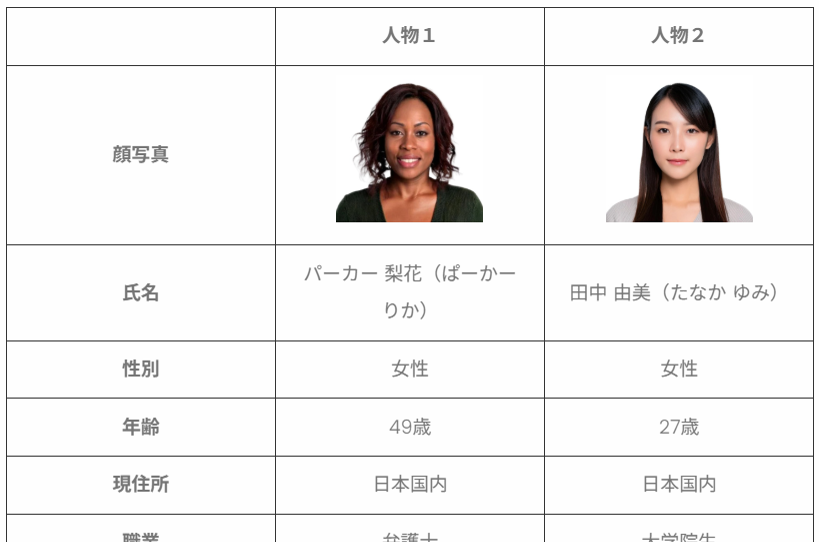
To assess the above intuition, we asked Japanese voters which candidates they considered “desirable as legislators” and which candidates they thought were “likely to win an election.” While a majority of respondents said that women were more desirable than men as legislators, only a minority believed that women were more likely than men to win. Many people thus perceived a gap between their own preferences and what they expected from others, which we call it as “preference-expectation gap”.
These findings suggest that if people could objectively grasp the distribution of preferences in society, Japanese voters’ attitudes toward gender equality—which are not as low as often assumed—might be more accurately represented in politics.
Article link is below:
https://doi.org/10.1093/poq/nfaf002